


Social Sciences
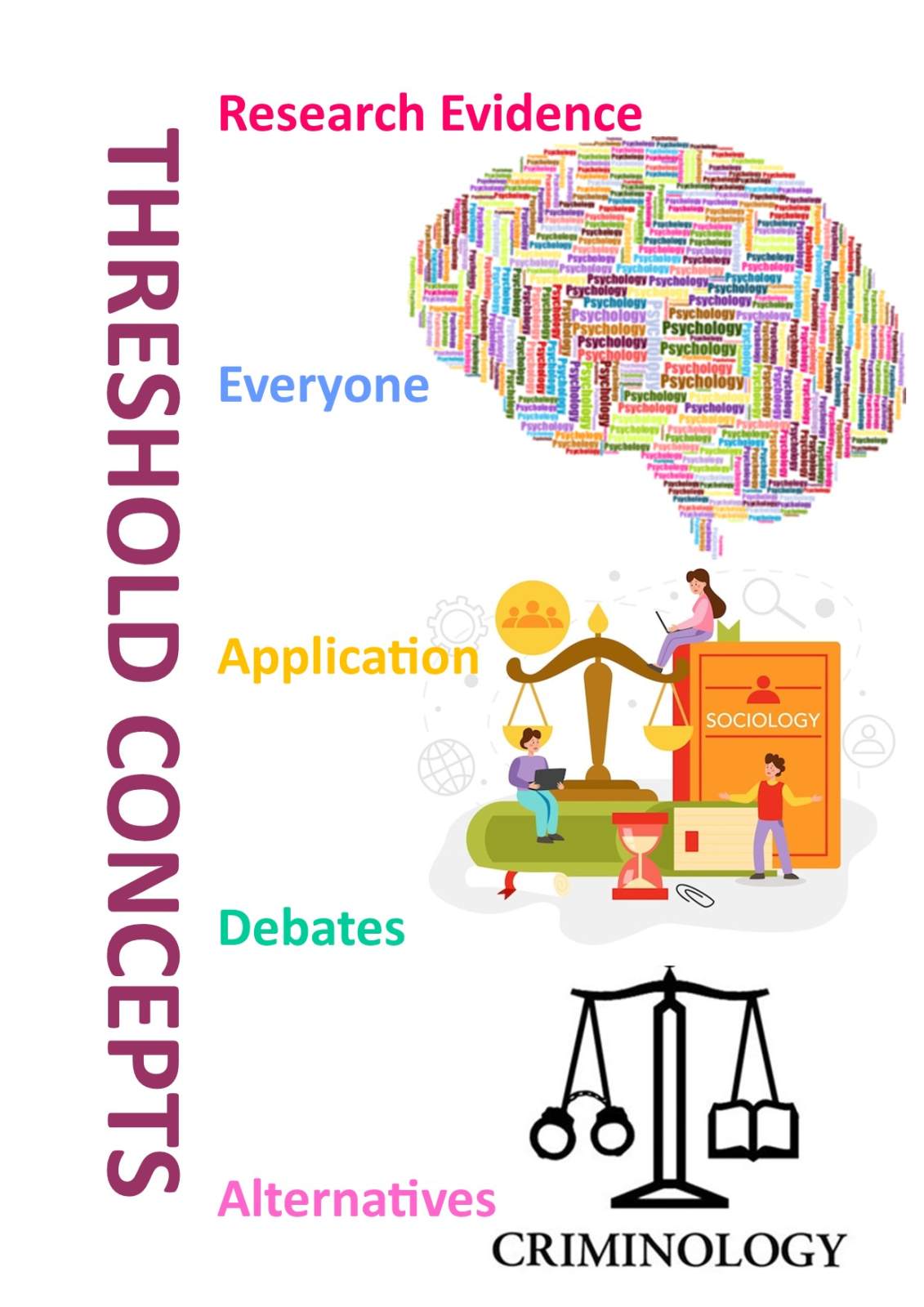
Threshold Concepts in Psychology
|
The BIG five – READA |
|
Threshold Concepts in Sociology
|
The BIG five – READA |
|
Threshold Concepts in Criminology
|
The BIG five – READA |
|
Social Sciences Curriculum Intent
- To encourage and nurture student curiosity and questioning which challenge theoretical and research concepts
- To embrace authentic and real-life learning in the classroom to enrich and enhance student interests
- To embed teaching and learning research to support distributed practice and understanding of holistic concepts of the course
- To create independence and specialisms which stem from own student’s enthusiasm
- To support and encourage student aspirations through academic intervention, support, and challenge.
Social science students are:
- Curious: students are encouraged to avoid the easiest road.; but take the roads less travelled in their understanding. Exploratory understanding of the world opens our mind to holistic growth, in knowledge and skill.
- Confident: Students apply their knowledge to research, root their questions in academic rigor and open their minds to new ways of understanding humanity.
- Critical: Students are taught to appreciate all arguments; to critically compare, evaluate and question its impact on the individual and society.
Long term retention plan in Social Sciences
- Lessons and topics are planned so that we can recap previous work to support the new topics studied, so do not necessarily follow the direct order of the exam specification. We also make useful synoptic links, to broaden knowledge and recall across topic areas.
- Homework tasks are set to recap previous work as well as new content.
- Exam questions are answered for homework or in class, reflecting on current or previous topics. All students have past paper exam booklets and are encouraged to self-test and self-mark.
- Topic booklets and revision resources are completed either in lesson or as part of sixth period/homework.
- Folder checks are carried out each term to check understanding and DIRT provided in lessons to develop progress.
- Exam style assessments are completed every term, followed by DIRT feedback.
- ‘Rapid recall’ / ‘Early bird’ is used at the start of lessons, and regular recall tests e.g. key concepts and studies/research throughout the course.